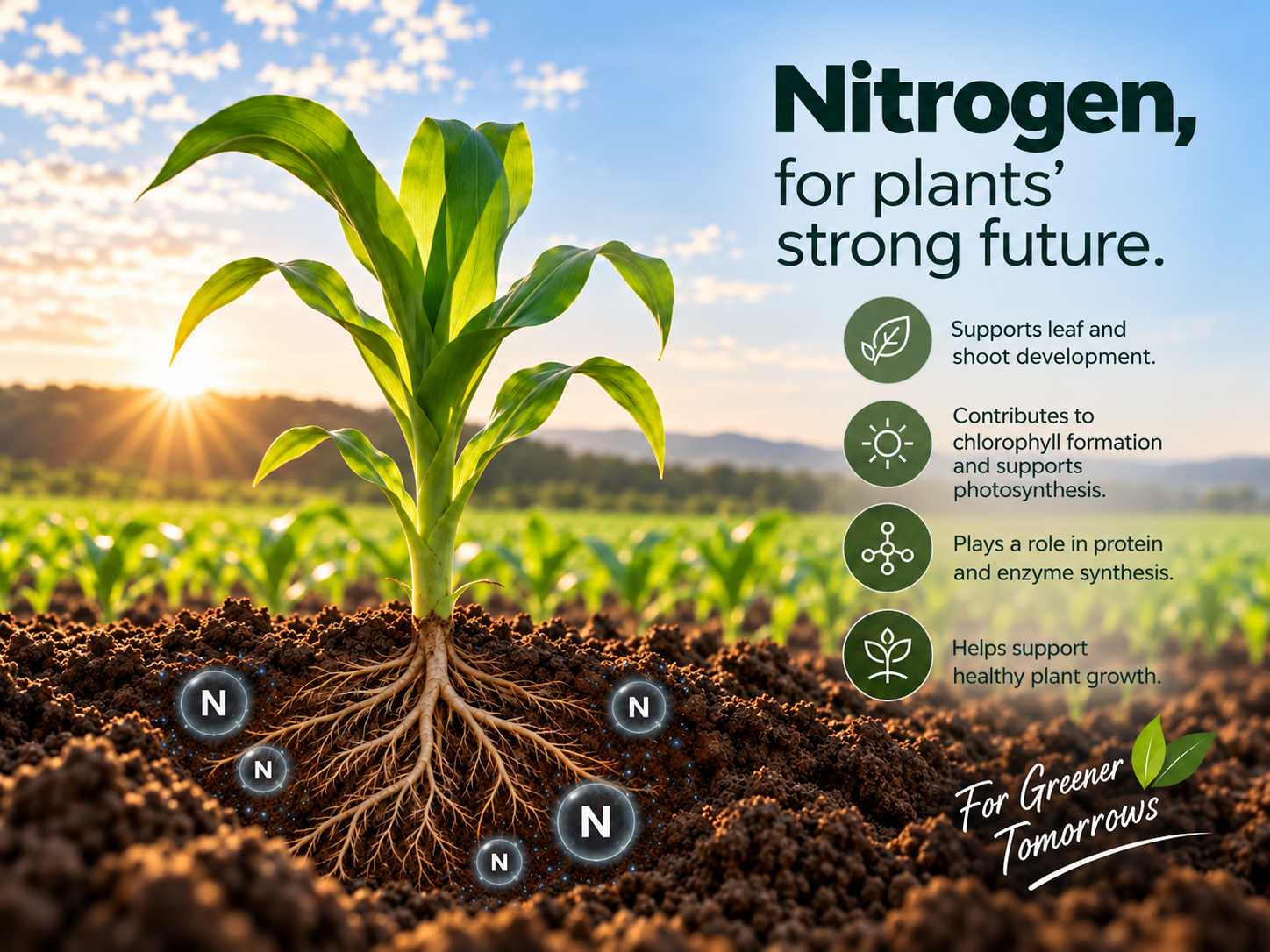
Nitrogen is one of the essential nutrients required for the healthy development of plants. Playing a vital role in plant growth and development processes, nitrogen is closely linked to the development of leaves, stems, and shoots, as well as to protein synthesis and photosynthesis.
Ensuring its presence in the soil in sufficient quantities and at the times the plant requires it is a key component of a balanced plant nutrition program.
Nitrogen is involved in many fundamental biological processes within the plant. Specifically:
It supports vegetative growth. It plays a role in the development of leaves, stems, and shoots.
It plays a role in chlorophyll formation. Chlorophyll is essential for the plant to carry out photosynthesis.
It contributes to protein and enzyme synthesis. It plays a role in the formation of compounds essential for the plant's growth and metabolic activities.
It affects the plant's overall development process. The presence of sufficient nitrogen helps the plant proceed through its developmental stages in a healthy manner.
In the case of nitrogen deficiency, yellowing—particularly on older leaves—poor development, and a slowdown in the plant's overall growth rate may be observed. However, since similar symptoms can also arise from deficiencies in other nutrients or due to other growing conditions, accurate diagnosis is important.
When the nitrogen content in the soil does not meet the plant's needs, nitrogenous fertilizers can be used to supply the necessary nutrient.
Applying the right fertilizer source at the right rate and the right time;
• To meet the nitrogen needs of the plant
• To the support of vegetative growth
• To balancing leaf and shoot development
• Maintaining photosynthetic capacity
• It can contribute to the plant's nutrition in accordance with its growth stages.
What matters here is not merely applying nitrogen, but establishing a balanced fertilization program based on the plant's actual needs.
For plants, ensuring an adequate supply of nitrogen is just as important as avoiding excessive application. Excessive nitrogen application can lead to over-abundant vegetative growth, disrupt the plant's balance with other nutrients, and result in undesirable environmental consequences.
Therefore, fertilization decisions should be made by taking into account soil analysis, the plant species and its growth stage, cultivation conditions, and the plant's specific needs.
Balanced Nutrition, Healthy Growth
Nitrogen is a key element in plant nutrition, but it should not be considered in isolation. It must be addressed as part of a balanced and informed nutrition program alongside phosphorus, potassium, and other macro- and micro-nutrients.
Right nitrogen source + right dosage + right timing = more informed plant nutrition.
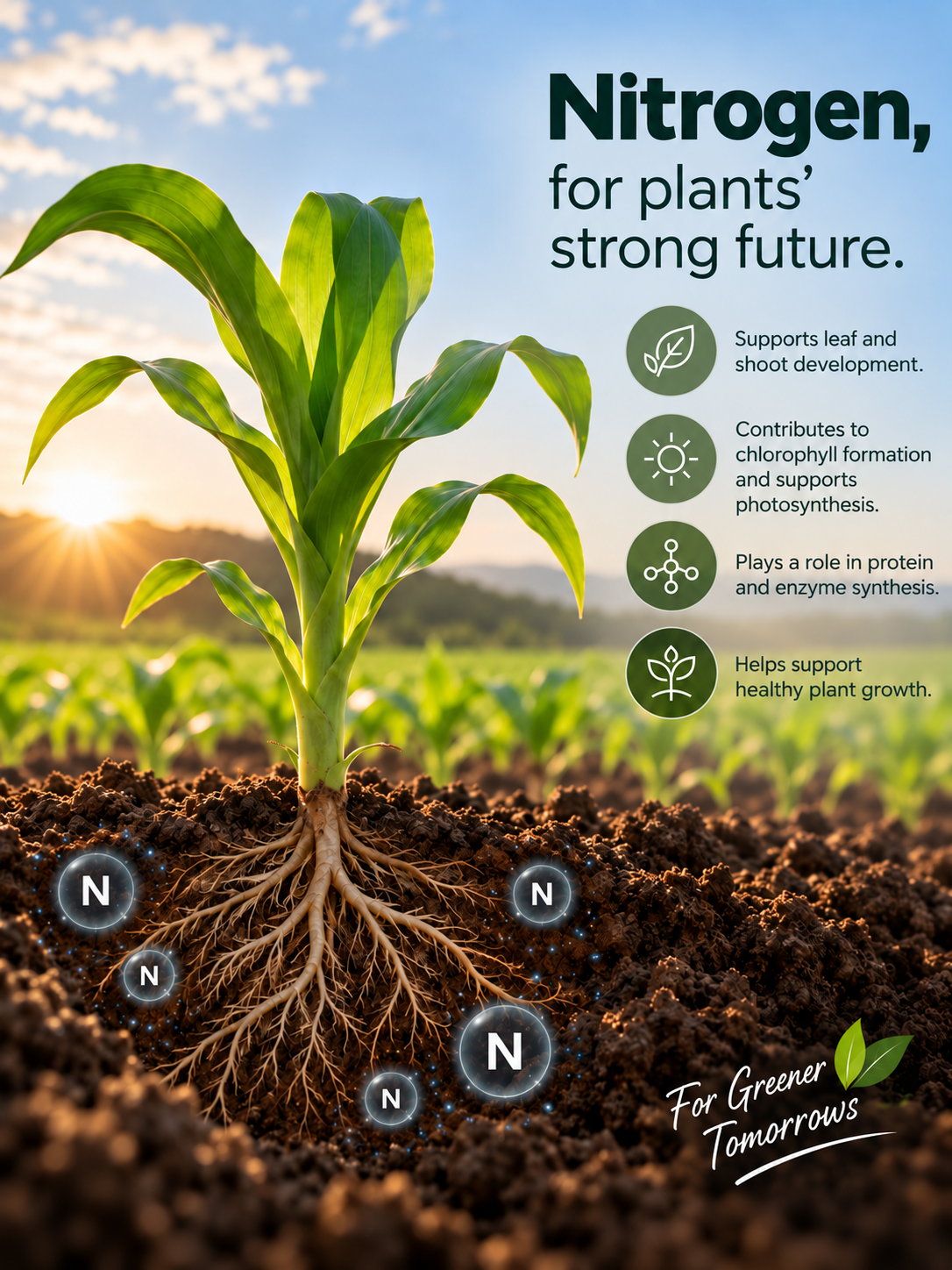

SETO is a trusted agricultural brand that offers innovative solutions in plant nutrition and aims to increase efficiency in agricultural production.